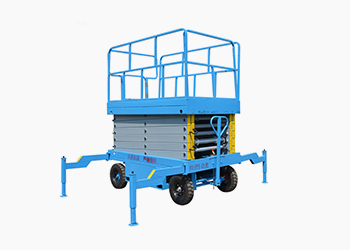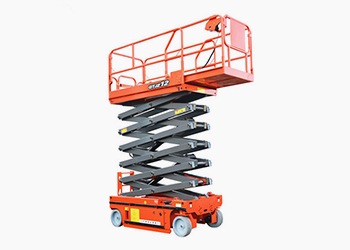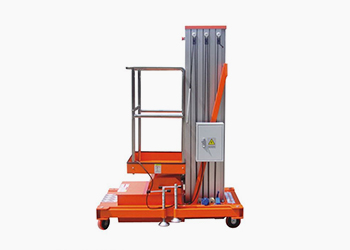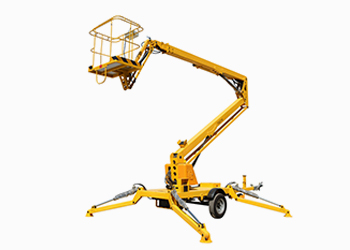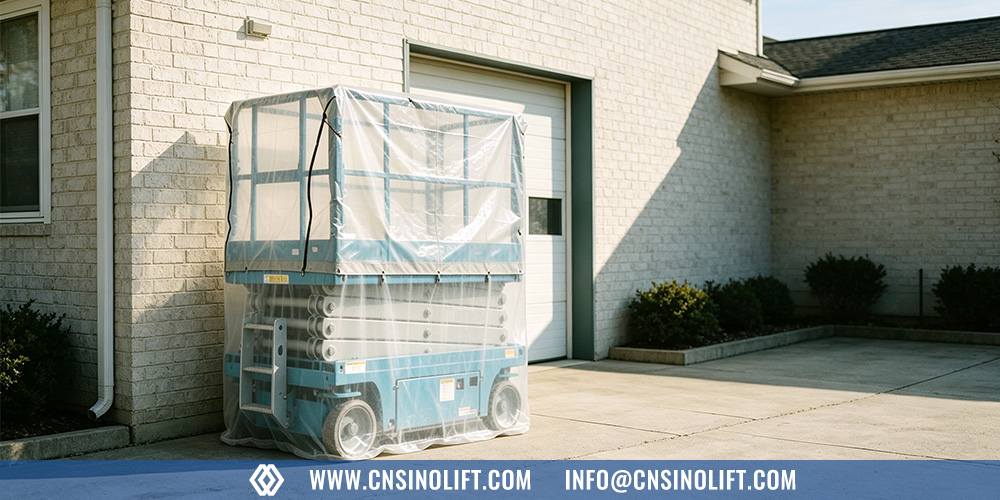
Yes, a scissor lift may be placed outdoors — but only when the model is suitable for outdoor placement, the machine is properly protected, and the site conditions are appropriate. Indoor storage is generally preferred when available.
There is an important difference between three situations:
| Situation | Main Question |
|---|---|
| Temporary outdoor parking | Can the machine safely remain outside temporarily? |
| Long-term outdoor storage | Can the machine withstand the storage environment? |
| Outdoor operation | Is the machine rated and approved for outdoor use? |
This article focuses on the first two questions: can a scissor lift be placed or stored outdoors? Outdoor operation is a separate matter and requires an outdoor-rated machine, suitable ground and weather conditions, and compliance with the machine’s operating limits.
Note: Placing or storing a scissor lift outdoors does not automatically mean it is suitable for outdoor operation. An indoor-rated machine is not recommended for outdoor operation unless the model is specifically rated for it.
Before placing any scissor lift outdoors, confirm three things:
The phrase “placed outdoors” can refer to different situations:
Each situation has different requirements. A short outdoor parking period is usually less demanding than long-term outdoor storage. A machine that can be parked outside for a day may still need extra protection if it will remain outside for months.
Storage requirements can vary significantly between models, so check the operating instructions for your specific machine.
A scissor lift may be parked outdoors temporarily only when the model is suitable for outdoor parking or storage and the site conditions are appropriate.
Temporary outdoor parking may be acceptable when:
Temporary outdoor parking is common on construction sites, industrial yards, and maintenance projects. However, temporary parking should not be confused with long-term storage. If the machine will remain outdoors for an extended period, additional protection is required.
Long-term outdoor storage may be possible if the model is suitable for outdoor storage, the machine is properly protected, and the warranty and rental contract allow it.
A scissor lift contains hydraulic, electrical, and structural components. Long-term exposure to weather can increase the risk of:
For long-term outdoor storage, the machine should be protected as much as possible. A covered area, lean-to, or weather-resistant cover is strongly recommended.
If outdoor storage is unavoidable, use a suitable storage surface and secure the machine as specified. Check the machine periodically for water accumulation, moisture, and damage.
An indoor-rated scissor lift may be parked outdoors only when the model is suitable for outdoor storage. If the operating instructions do not permit outdoor storage, the machine should not be left outside.
This is a critical distinction.
Indoor-rated does not automatically mean outdoor storage is prohibited — but it also does not mean outdoor storage is allowed. Check the operating instructions and rating plate for the specific model.
Placing an indoor-rated machine outdoors does not change its rated capabilities. It remains an indoor-rated machine.
If the machine is only being stored outdoors and not operated, the main concerns are weather protection, moisture, battery care, and security.
Important: If the operating instructions do not permit outdoor storage, it is not recommended to leave the machine outdoors. Additional protection does not change the machine’s rating.
This is often the real question behind “Can a scissor lift be placed outdoors?” Users want to know what will happen to the machine if it stays outside.
The main risks are described below.
Rain and prolonged moisture exposure can affect electrical components, control systems, and other exposed parts. For electric models, you can learn more about whether electric scissor lifts can be rained on. Standing water is more serious. It can damage the chassis, electrical compartments, and hydraulic system. Avoid locations where runoff or drainage overflow could expose the machine to standing water or flooding.
Snow and ice can introduce moisture as they melt and can make access points slippery. Cold temperatures can also affect batteries, hydraulic oil, and seals. Follow winter storage best practices.
Long-term exposure to direct sunlight can fade paint, crack tires, and degrade plastic and rubber parts. A UV-resistant, weather-resistant cover can help reduce sun damage.
Moisture is a major cause of corrosion. Clean the machine before storage and remove mud, dirt, salt, and other corrosive materials. Apply lubricant or protective coating only where appropriate for the machine.
Extreme temperatures can affect batteries, hydraulic oil, seals, and electrical components. In very cold conditions, battery capacity may drop. In very hot conditions, seals and hoses may degrade faster. Follow the machine’s specified storage temperature range, which takes priority over general guidance.
Dust, leaves, and debris can block vents, contaminate hydraulic components, and affect electrical connections. Animals and insects may also nest in the machine, chew wiring, or build nests in control compartments. Check the machine periodically for signs of pest activity and cover openings where possible.
An outdoor machine is more exposed to unauthorized use, theft, or vandalism. Lock the control panel, remove the key, and secure the machine.
The ground should be firm, level, and able to support the machine’s weight. Avoid soft soil, mud, loose gravel, uneven ground, slopes, areas near excavations, and unstable fill.
Even when the machine is not operating, unstable ground can cause the machine to shift, sink, or become difficult to secure. For long-term storage, stable parking and good drainage are the primary concerns.
If a paved or prepared surface is required for the machine, follow that requirement.
Choose a location with good drainage. Avoid locations where runoff or drainage overflow could expose the machine to standing water or flooding.
Battery storage requirements vary by battery type and machine model. Do not assume that one storage state of charge, temperature limit, or charging interval applies to every machine.
Some machines require periodic battery checks or recharging during storage. Follow the recommended interval for the battery type. For more detail on runtime and charging cycles, see this guide to how long scissor lift batteries last.
For flooded lead-acid batteries, manufacturers often recommend keeping the battery charged during storage, checking electrolyte levels where applicable, and avoiding freezing conditions. Fully charged lead-acid batteries are generally more resistant to freezing than discharged ones, but the recommended storage temperature range must always be followed.
For lithium-ion batteries, follow the recommendations for that battery type regarding storage state of charge, temperature range, disconnection, and charging interval. Do not apply lead-acid storage rules to lithium batteries.
If charging must take place outdoors:
If the machine has been exposed to flooding or standing water, do not operate it until it has been inspected by a qualified technician. Water damage to electrical systems, control panels, and hydraulic components can render the machine unsafe.
For diesel or other internal-combustion scissor lifts, follow standard storage procedures for fuel, engine fluids, battery, hydraulic system, and cold-weather protection.
Do not drain fluids or release hydraulic pressure unless the storage procedure requires it.
Before placing a scissor lift outdoors, prepare the machine properly.
Recommended steps may include:
The following maintenance items are based on the SINO LIFT GTJZ series maintenance manual for outdoor storage. Other models may differ. Consult the respective manufacturer for your model.
For SINO LIFT GTJZ series scissor lifts stored outdoors, the following minimum maintenance should be carried out monthly:
These are minimum requirements. Local regulations and model-specific instructions may vary.
| Storage Duration | Recommended Requirements |
|---|---|
| A few hours to overnight | Firm, level ground; platform fully lowered; machine switched off and secured; parking requirements followed |
| Several days to a few weeks | Above + breathable cover; battery maintenance; check for water accumulation |
| Several weeks to a few months | Above + periodic inspection; battery charging schedule; moisture and pest checks; full re-commissioning before use |
| Several months or longer | Indoor storage strongly preferred. If outdoors, use a shelter or container, follow a maintenance schedule, and perform a full inspection before return to service |
For SINO LIFT scissor lifts stored outdoors for several weeks or longer, carry out the monthly maintenance items summarized in Section 9.
Before returning a scissor lift to service after outdoor storage, follow this principle:
Inspection → Testing → Return to service.
Do not assume the machine is safe simply because it looks normal.
Check:
If any component is damaged, malfunctioning, or shows signs of water intrusion, do not operate the machine until it has been repaired or inspected by a qualified technician.
Do not place a scissor lift outdoors in the following situations:
If the model is not suitable for outdoor storage, it is not recommended to store the machine outdoors. Additional protection does not change the machine’s rating.
If you are selecting a scissor lift that may be parked or stored outdoors, consider the storage environment before purchase. For guidance, refer to the scissor lift purchasing guide. For current market pricing, see the scissor lift price guide.
Yes, a scissor lift can be placed outdoors when the model is suitable for outdoor placement and the machine is properly protected. For long-term storage, additional measures are required for weather protection, battery care, and maintenance.
A scissor lift may be left outside overnight only when the model is rated or approved for outdoor parking. If the operating instructions require indoor storage, the machine should be moved indoors after each use. If rain or severe weather is expected, additional protection is recommended.
Yes, but cold temperatures, snow, and ice can affect batteries, hydraulic oil, and seals. Follow winter storage best practices and protect the machine from moisture.
An electric scissor lift can be stored outdoors only when the model is suitable for outdoor storage and it is protected from rain, moisture, and extreme temperatures. Battery care is especially important — follow the recommendations for the battery type.
Outdoor storage in rain is not recommended unless the model is approved for outdoor storage and the machine is adequately protected from prolonged rain and moisture. Rain and prolonged moisture exposure can affect electrical components, control systems, and other exposed parts. Heavy rain, flooding, and standing water can cause more serious damage.
No. Placing or storing a scissor lift outdoors does not change its rating. An indoor-rated machine is not recommended for outdoor operation unless the machine is specifically rated for it.
Do not operate a flooded scissor lift. It must be inspected by a qualified technician before being returned to service. Water damage can affect electrical systems, hydraulic components, and structural integrity.
Lower the platform, switch off the machine, remove the key, clean the machine, check for leaks, protect the battery, and park on firm, level, well-drained ground. Use a cover if the machine will stay outside. Secure the machine properly.
HENAN SINO LIFT CO., LTD provides scissor lifts and other lifting and material handling equipment for construction, maintenance, warehouse, industrial, and commercial applications.
Our product range includes:
Need help choosing or storing a scissor lift? Tell us your machine type, storage environment, ground conditions, and application requirements. The SINO LIFT team can recommend a suitable configuration, provide relevant specifications, and prepare a quotation based on your project requirements. Contact us today to discuss your project.
Email: info@cnsinolift.com
Website: www.cnsinolift.com
This article does not replace the operating manual or applicable local regulations. Model-specific storage and operating instructions always take priority. If you are unsure whether your scissor lift can be placed outdoors, contact the manufacturer or a qualified equipment specialist before proceeding.