


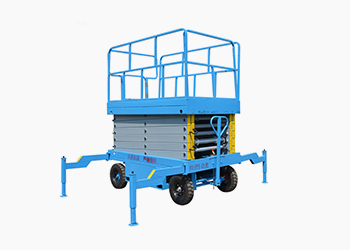
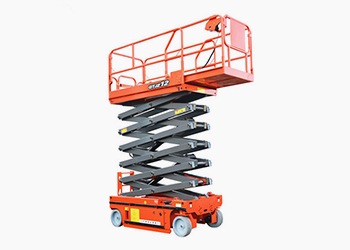
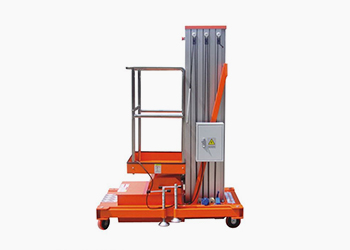
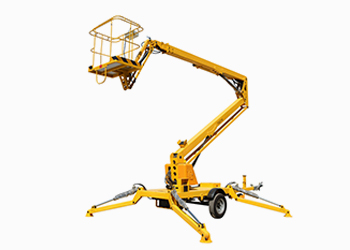
A scissor lift is primarily used for safely lifting workers, tools, and materials to elevated work areas. As a type of mobile elevating work platform (MEWP), this versatile aerial work platform provides a stable, spacious deck that moves straight up and down — ideal for tasks requiring multiple people and heavy equipment at height.
Today, scissor lifts are widely used in construction, warehousing, manufacturing, facility maintenance, data centers, and by trade contractors across dozens of industries. SINO LIFT offers four core types — towable, self-propelled, crawler, and rough terrain — to match every job site.
Quick Selection Guide
Match Your Application to the Right Lift
| Application | Recommended Type | Typical Height | Key Consideration |
|---|---|---|---|
| Warehouse / Logistics | Self-propelled electric | 6 – 10 m | Zero emissions, non-marking tires |
| Construction / Renovation | Rough terrain | 12 – 18 m | Diesel or electric, uneven ground |
| Soft Ground / Mud / Lawn | Crawler scissor lift | 6 – 12 m | Low ground pressure, high traction |
| Facility Maintenance | Towable scissor lift | 6 – 12 m | Cost-effective, easily towed |
| Data Center / Telecom | Self-propelled electric | 6 – 8 m | Quiet, low floor loading |
| Trade Contractors (HVAC/Electrical) | Self-propelled electric | 6 – 12 m | Solo operation, fast repositioning |
What Is a Scissor Lift? How Does It Work?
A scissor lift is a mobile aerial work platform that uses a crisscross steel arm mechanism to raise and lower a spacious platform vertically. When activated by hydraulic or electric power, the crossed arms extend upward, providing a stable working surface with high load capacity.
Unlike boom lifts, scissor lifts offer only straight vertical travel — but with a significantly larger deck that accommodates multiple workers and heavy tools. SINO LIFT manufactures towable, self-propelled, crawler, and rough terrain models to meet every access challenge.
6 Common Scissor Lift Applications
01
Warehousing & Logistics
Electric self-propelled scissor lifts are the standard for indoor warehousing thanks to zero emissions and quiet operation. They support high-bay order picking, inventory inspection, and racking installation with two operators working simultaneously.
Self-propelled electric scissor lift, 6m – 10m02
Construction & Renovation
Rough terrain scissor lifts handle steel erection, façade work, and HVAC installation on uneven outdoor ground. A single unit carries multiple installers plus equipment for an entire shift, eliminating repetitive scaffolding.
Rough terrain scissor lift, 12m – 18m03
Municipal & Soft Ground Maintenance
Crawler scissor lifts are ideal for lawns, muddy terrain, and municipal equipment repair. Their low ground pressure and excellent traction make them perfect for outdoor maintenance where standard wheels would sink or damage the surface.
Crawler scissor lift, 6m – 12m04
Facility Maintenance
Towable scissor lifts are a cost-effective solution for ceiling lamp replacement, window washing, and seasonal decoration in malls, airports, and hospitals. They can be easily moved between sites with a standard pickup truck.
Towable scissor lift, 6m – 12m05
Data Centers
Self-propelled electric scissor lifts with non-marking tires and low floor loading are essential for server rack installation and overhead busbar work above raised floors. Quiet, emission-free operation protects sensitive equipment.
Self-propelled electric scissor lift, 6m – 8m06
Trade Contractors
HVAC, electrical, and plumbing contractors rely on self-propelled electric models for quick, solo operation. One person can drive, elevate, complete conduit or ductwork, and relocate — significantly boosting on-site productivity.
Self-propelled electric scissor lift, 6m – 12mIndustries That Rely on Scissor Lifts
| Industry | Typical Applications | Common Height Range |
|---|---|---|
| Construction & Civil Engineering | Steel erection, façade installation, drywall, ceiling grid, MEP rough-in, bridge inspection | 10 – 18 m |
| Warehousing & Distribution | High-bay picking, racking installation, inventory auditing, conveyor maintenance, pallet retrieval | 6 – 10 m |
| Facility & Property Management | Lighting replacement, window cleaning, HVAC filter change, painting, sign installation | 6 – 12 m |
| Data Centers & Telecom | Server rack deployment, overhead cable tray work, busbar installation, cooling system maintenance | 6 – 8 m |
| Manufacturing & Assembly | Production line maintenance, overhead crane servicing, pipe insulation, equipment installation | 6 – 12 m |
| Retail & Commercial Spaces | Storefront signage, ceiling fixture replacement, seasonal decoration, mall atrium maintenance | 6 – 10 m |
| Airports & Aviation | Terminal ceiling work, jet bridge maintenance, hangar lighting, signage repair | 6 – 14 m |
| Healthcare & Hospitals | Atrium lighting, overhead equipment servicing, HVAC filter change in clean environments | 6 – 10 m |
| Municipal & Public Works | Street lighting, traffic signal maintenance, bridge under-deck access, park tree trimming | 6 – 16 m |
| Events & Entertainment | Stage rigging, lighting truss installation, arena scoreboard access, exhibition booth construction | 6 – 12 m |
How to Choose the Right Scissor Lift
1. Working Height
Calculate the total height you need to reach. Working height = platform height + operator reach (~2m). Always select a lift with platform height at least 2m below your required working height.
- Indoor ceilings: 6 – 10 m platform height
- Outdoor construction: 12 – 18 m platform height
- Specialty tasks: up to 18 m+
2. Load Capacity
Add the weight of all workers, tools, and materials. Standard capacities range from 200 kg to 1,000 kg+. Overloading compromises stability and safety.
- Light duty: 200 – 300 kg
- Standard: 350 – 550 kg
- Heavy duty: 600 – 1,000 kg
3. Environment & Surface
Indoor smooth floors call for electric self-propelled units. Outdoor uneven terrain requires rough terrain or crawler models. Soft ground (lawns, mud) needs crawler tracks for flotation.
- Indoor smooth: Electric self-propelled
- Outdoor rough: Rough terrain (diesel/electric)
- Soft/lawn: Crawler scissor lift
4. Power Source
Electric (battery) lifts are zero-emission and quiet — ideal for indoor and noise-sensitive areas. Diesel models offer higher power and longer runtime for outdoor heavy-duty use.
- Electric: Indoor, data centers, retail
- Diesel: Outdoor construction, rough terrain
- Hybrid: Available in some rough terrain models
5. Mobility Type
Self-propelled units are driveable and highly maneuverable. Towable lifts are cost-effective and moved by a truck. Crawler lifts offer superior traction on challenging surfaces.
- Self-propelled: Best for frequent repositioning
- Towable: Best for multi-site jobs
- Crawler: Best for soft or uneven ground
6. Safety & Compliance
Look for CE, ANSI, or CSA certification. Additional safety features include tilt alarms, pothole protection, emergency lowering, and platform overload sensors.
- CE / ANSI certified models
- Tilt alarm & level indicator
- Emergency descent system
Scissor Lift Type Comparison
| Type | Lifting Height | Platform Load | Best For |
|---|---|---|---|
| Towable Scissor Lift | 4 – 18 m | 300 – 1000 kg | Multi-site jobs, cost-conscious |
| Self-propelled Scissor Lift | 4 – 16 m | 227 – 550 kg | Indoor, smooth floors, frequent moves |
| Crawler Scissor Lift | 4 – 12 m | 200 – 450 kg | Soft ground, lawns, muddy sites |
| Rough Terrain Scissor Lift | 10 – 16 m | 320 – 680 kg | Outdoor construction, uneven ground |
Common Mistakes When Choosing a Scissor Lift
| Mistake | Why It's a Problem |
|---|---|
| Buying a diesel lift for indoor use | Fumes, noise, floor damage |
| Confusing platform height with working height | Platform height is ~2m lower — wrong unit purchased |
| Ignoring floor loading limits | Risk of floor damage in data centers, older buildings |
| Overlooking door/aisle width | Lift won't enter the work area |
Why Choose SINO LIFT?
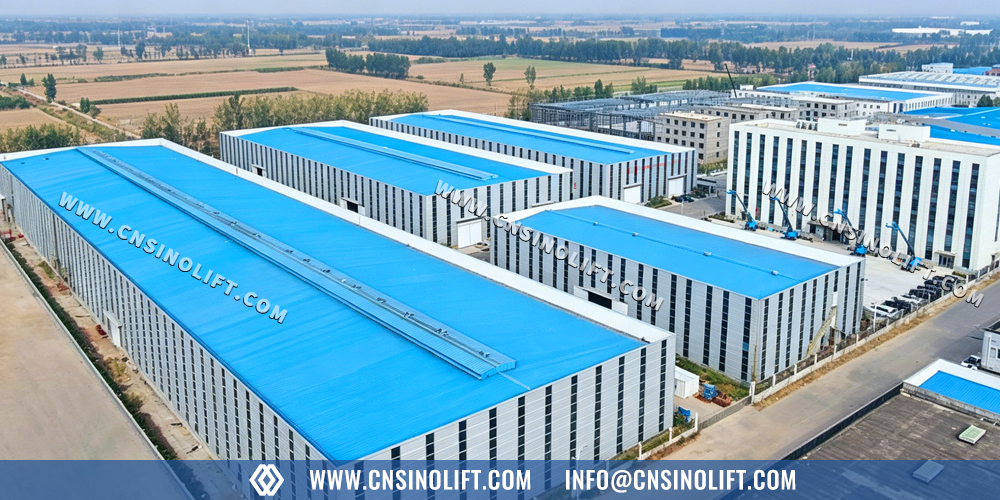
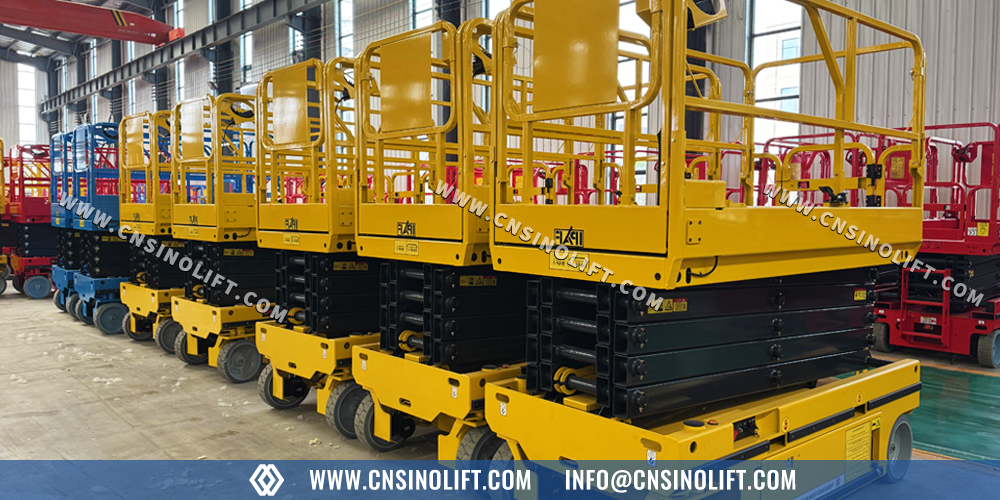
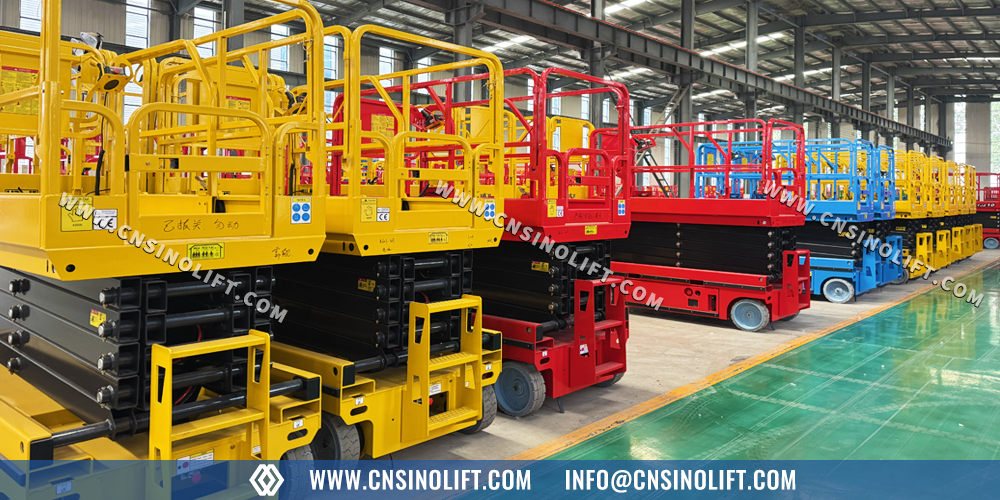
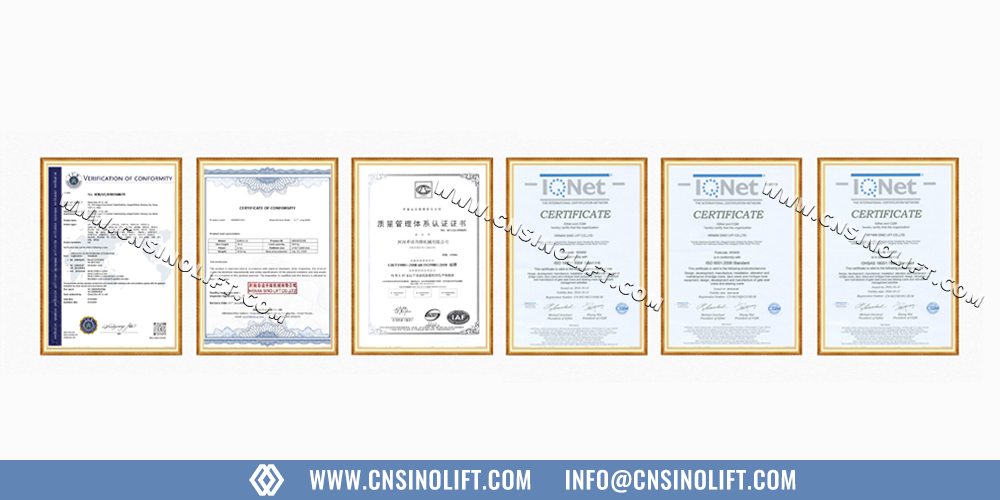
SINO LIFT is a CE and ANSI certified scissor lift manufacturer with a state-of-the-art production facility and extensive inventory ready for global dispatch. Our engineering team ensures every lift meets rigorous safety and performance standards.
Frequently Asked Questions
What size scissor lift do I need?
Determine your required working height first. Platform height is approximately 2m lower than working height. For indoor tasks, 6–10m covers most applications. For outdoor construction, 12–18m is typical.
Can a scissor lift be used on a slope?
Standard electric scissor lifts are designed for level surfaces. Rough terrain models handle uneven outdoor conditions, and crawler scissor lifts offer self-leveling capability on challenging terrain.
How much weight can a scissor lift hold?
Platform capacities range from 200kg (compact crawler units) to over 1,000kg (heavy-duty towable models). Always check the specific load chart before operation.
Can a scissor lift be used indoors?
Yes. Electric self-propelled and crawler scissor lifts are designed for indoor use — zero emissions, quiet, and non-marking tires. Never operate diesel rough terrain lifts indoors without proper ventilation.
What is the difference between platform height and working height?
Platform height is the deck's maximum elevation. Working height adds approximately 2m for operator reach. Always match working height to your task, not platform height.
Need Help Choosing the Right Scissor Lift?
Tell us your requirements, and our engineers will recommend the most suitable model with a quotation within 24 hours:
- Working height - Indoor or outdoor use - Platform capacity - Country
Request Your Recommendation & Quotation from SINO LIFT