


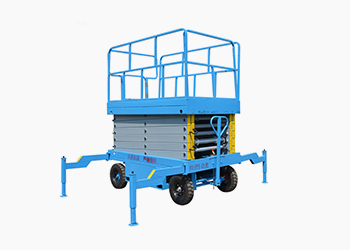
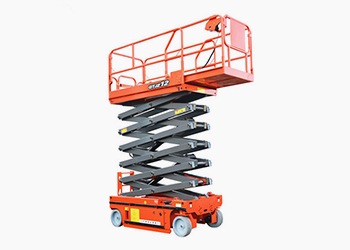
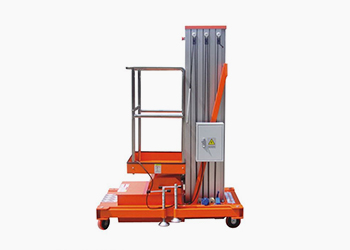
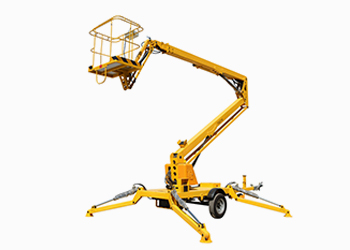
Yes, a scissor lift can be used at home for many residential maintenance and renovation tasks, provided the machine is suitable for the site and operated according to the manufacturer's instructions and applicable local requirements.
A compact electric model can be a practical and safer alternative to a ladder for projects like painting high walls, cleaning gutters, or installing ceiling fixtures. However, using one safely requires more consideration than just renting a machine. Here's what you need to know before you rent or buy.
Is It Legal? Do You Need a License or Training?
This is the most common question, but the answer isn't a simple yes or no. It's crucial to distinguish between a "license," formal "certification," and proper "training."
For private, non-commercial work on your own property, a specific operator license is generally not required under federal OSHA rules. However, state or local requirements may differ.
-
Federal OSHA: OSHA's workplace regulations (like 29 CFR 1926.453) typically apply to employer-employee relationships in commercial settings. For a homeowner doing personal work, these specific federal rules don't apply in the same way.
-
State and Local Rules: Your state or local municipality may have its own safety or operating regulations that apply to all equipment use. Always check with your local building or safety department.
-
Rental Company Policies: This is often the most immediate requirement. Most rental companies will require you to acknowledge that you understand the basic operation of the machine. Some may require a short, informal demonstration or provide mandatory training before they allow you to take the equipment.
-
Manufacturer's Instructions: The manufacturer's operating manual defines the machine's intended use and operating requirements. You should follow it whenever operating the lift. Failing to do so is not only dangerous but can also void warranties and liability coverage.
In short: While a formal "license" or "operator certification" is generally not required by federal law for private home use, proper training and familiarization are always essential.
Our recommendation: Never operate a scissor lift without reading the manual and, ideally, getting a practical walkthrough from the rental company. For more on OSHA training resources, refer to official guidelines.
What Can You Use a Scissor Lift for at Home?
A scissor lift provides a stable, flat platform with guardrails, offering a significant practical advantage over a ladder for tasks that require both hands or extended working time at height. The platform rises vertically, providing steady footing for you, your tools, and your materials. This makes it ideal for:
-
Painting high walls, stairwells, vaulted ceilings, and exterior siding
-
Cleaning and repairing gutters, downspouts, and second-story windows
-
Installing or replacing ceiling lights, fans, curtain rods, and security cameras
-
Trimming trees and hedges where the ground is level
-
Accessing high storage in lofts, tall cabinets, or garage ceiling racks
-
HVAC maintenance and vent cleaning
For most indoor residential tasks, an electric scissor lift is usually the most practical choice. It produces no emissions, runs quietly, and usually comes with non-marking tires that will not damage finished floors.

What Type of Scissor Lift Is Best for Home Use?
Choosing the right machine is less about specific model numbers and more about matching the equipment to your project and physical environment. For a comprehensive scissor lift purchasing guide, review the key factors before making a decision. Focus on these four key factors:
1. Doorways, Hallways, and Ceilings
Space is the most common constraint in residential settings. You need to ensure the lift can physically reach the work area.
-
Don't just measure the front door. Measure the narrowest doorway, the hallway, and any tight turning points the machine must navigate. For more details, see will a scissor lift fit through a door.
-
Check your ceiling height. A compact mini scissor lift can be 1.9 to 2.0 meters tall when stowed. Ensure it can fit through the doorway and be maneuvered under your ceiling.
-
For narrow indoor spaces, SINO LIFT offers narrow‑body models like the Mini GTJZ06M and GTJZ06, with an overall width of 0.84 m (about 33 in). Even more compact, the mini scissor lift series can go down to 0.76 m (30 in) wide, making it easier to navigate tight corridors and standard doorways. Always check the manufacturer's stowed width, height, and length before planning indoor access.
2. Platform Height vs. Working Height
This is a critical distinction for anyone working at height.
-
Platform height is the maximum height the platform itself can reach.
-
Working height is the maximum reach of the operator's hands while standing on the platform. It accounts for the operator's height and reach. The exact figure varies by manufacturer and model, so use the manufacturer's stated working height when comparing machines.
When choosing a lift for a home project, always compare the required working height with the manufacturer's rated working height.
Do not choose a lift based only on platform height. For example, a model with a 5.8m platform height may provide a working height of approximately 7.8m, but always verify the manufacturer's specific rating. The best approach is to measure the height of the highest work area and select a machine whose rated working height gives you enough reach without requiring you to stand on or lean over the guardrails.
3. Power and Weight
-
Power Source: Electric is the clear choice for indoor and most residential work. For outdoor projects on very uneven ground, a larger, self-propelled model with higher ground clearance is an option, but it's much heavier and not suitable for finished floors. Explore SINO LIFT's self‑propelled electric scissor lift options for more demanding applications.
-
Machine Weight vs. Rated Load: This is a common point of confusion.
-
Rated Load: The maximum weight the platform can hold (including you, your tools, and materials). This is often around 300 kg (660 lbs) for compact models.
-
Machine Weight (Gross Weight): The total weight of the machine itself. This is a much higher number—often several hundred kilograms—and this is the weight that the floor must support, together with the operator, tools, and materials.
-
Crucially, a 300 kg rated load does not mean the machine weighs 300 kg. You must check both the machine's gross weight and your floor's load capacity.
-
4. Ground Conditions
You must operate only on a firm, level surface capable of supporting the machine's weight. Concrete slabs are ideal. Avoid carpet, soft grass, gravel, slopes, and uneven ground.
A driveway that looks "almost flat" to you may still exceed the machine's permitted slope (often specified as a percentage grade). Always check the manufacturer's specification for maximum slope capability.
If you are comparing specific models, check the manufacturer's dimensions, platform height, rated load, and machine gross weight before choosing. For current market rates, review the scissor lift price guide to plan your budget.
How to Use a Scissor Lift Safely at Home
Safety is the most critical factor. Most incidents can be prevented by avoiding common operating mistakes.
Before You Start
-
Read the manual and locate the emergency stop and emergency lowering functions.
-
Inspect the machine for leaks, damaged guardrails, or cracked tires.
-
Confirm the ground conditions and that the floor can support the machine's gross weight.
-
Plan your route, ensuring you have sufficient clearance for doorways, hallways, and ceilings.
-
Keep children and pets away from the entire work area.
During Use
-
Stay within the rated load. This includes you, your tools, and all materials.
-
Stand on the platform floor. Never stand on or lean over the guardrails, and do not use ladders or step stools on the platform to gain extra height.
-
Keep your entire body inside the guardrails. Leaning or reaching over them can cause a tip-over.
-
Never drive the machine with the platform raised unless the manufacturer's instructions specifically allow it, and you are on a firm, level surface within the permitted slope grade.
-
Keep clear of overhead power lines. This is non-negotiable.
-
Mark off the area below so no one walks under the elevated platform.
-
Do not assume a harness is required or unnecessary. Follow the manufacturer's instructions and applicable local safety requirements for the specific machine.
Common Mistakes to Avoid
-
Overloading the platform with tools or materials
-
Using the lift on soft or uneven ground
-
Using the lift as a crane to pull or hoist materials from the ground
-
Operating outdoors in windy or wet conditions
-
Moving the machine with the platform fully raised
-
Letting untrained or unauthorized operators use the equipment
Many common scissor lift incidents can be prevented by avoiding these basic mistakes.
Renting vs. Buying a Home Scissor Lift
For a one-off project, renting is almost always the more practical route. Rental costs vary by location, machine size, rental period, delivery, and insurance requirements. You also avoid the challenges of storage, transport, and maintenance.
Buying starts to make sense when elevated work is a recurring need—for example, a large property with frequent maintenance, a home-based contractor, or someone who manages multiple rental units. Compact electric models can be stored in a garage or shed when folded.
Don't Forget About Transportation
If you rent, confirm how you will get the machine home.
-
Delivery: Many rental companies offer delivery for a fee, which is often the easiest option.
-
Towing: Some smaller models are towable. If this is the case, ensure you have a suitable tow vehicle and a trailer with the correct hitch.
-
Driveway Access: Ensure there is a clear, level path for delivery or unloading.

Frequently Asked Questions
Do I need a license to use a scissor lift at home?
For private, non-commercial work on your own property, a specific operator license is generally not required under federal OSHA rules. However, state or local requirements may differ. You should still meet rental company requirements, follow the manufacturer's instructions, and undergo proper training.
Are scissor lifts safer than ladders?
For sustained work at height, generally yes. A scissor lift provides a stable, level platform with guardrails, removing the wobble and constant repositioning that make ladder work tiring and risky. The advantage is clearest when you need both hands for tools or materials.
Can I use a scissor lift indoors on finished floors?
Yes, with an electric model that has non-marking tires. However, you must check that the floor can support the machine's gross weight, not just its rated load, and consider protective coverings for very soft or polished surfaces. For more on tile and delicate flooring, see our detailed guide: can you use an electric scissor lift on tile without causing damage.
Will a scissor lift fit through my front door?
It depends on the machine's stowed width, height, and weight. Don't just measure the front door; measure the narrowest doorway, hallway, and turning point along your entire route to the work area. Verify these measurements against the machine's stowed dimensions. See our detailed answer on will a scissor lift fit through a door.
Can I use a scissor lift on my driveway or grass?
On a level concrete driveway, yes. On grass, generally no, unless the machine is specifically designed for rough terrain and the ground is exceptionally firm and flat. Soft or uneven ground can cause the lift to sink or tip. Also, ensure your driveway's slope does not exceed the machine's maximum allowable grade. For more specific advice, read our guide on how to use a scissor lift on a lawn.
Can one person operate a scissor lift?
Many scissor lifts are designed for operation by one trained operator, with controls located on the platform. However, having another person nearby is strongly recommended for residential work, especially when moving the machine or working around obstacles. Learn more about can you operate a scissor lift by yourself.
Conclusion
The right scissor lift can make many residential work tasks safer and more efficient than a ladder. The practical decision for your home comes down to choosing a compact, electric model suited to your specific working height and floor conditions, understanding the difference between platform height and working height, and operating only on firm, level ground.
Need a scissor lift for a specific home project? Send us your required working height, doorway width, floor conditions, and indoor/outdoor application. Contact our team and we can recommend a suitable model for your needs.
About HENAN SINO LIFT CO., LTD
HENAN SINO LIFT is a manufacturer of electric and hydraulic scissor lifts for indoor, warehouse, construction, and light industrial applications. We provide different platform heights, capacities, dimensions, and configurations for specific site requirements.
Our product range includes Scissor Lifts, Mast Lifts, Boom Lifts, Cargo Lifts, Loading Ramps, Wheelchair Lifts, and Warehouse Handling Equipment.
Email: info@cnsinolift.com
Website: www.cnsinolift.com
